
Where Is a Good Place to Put a Vending Machine?
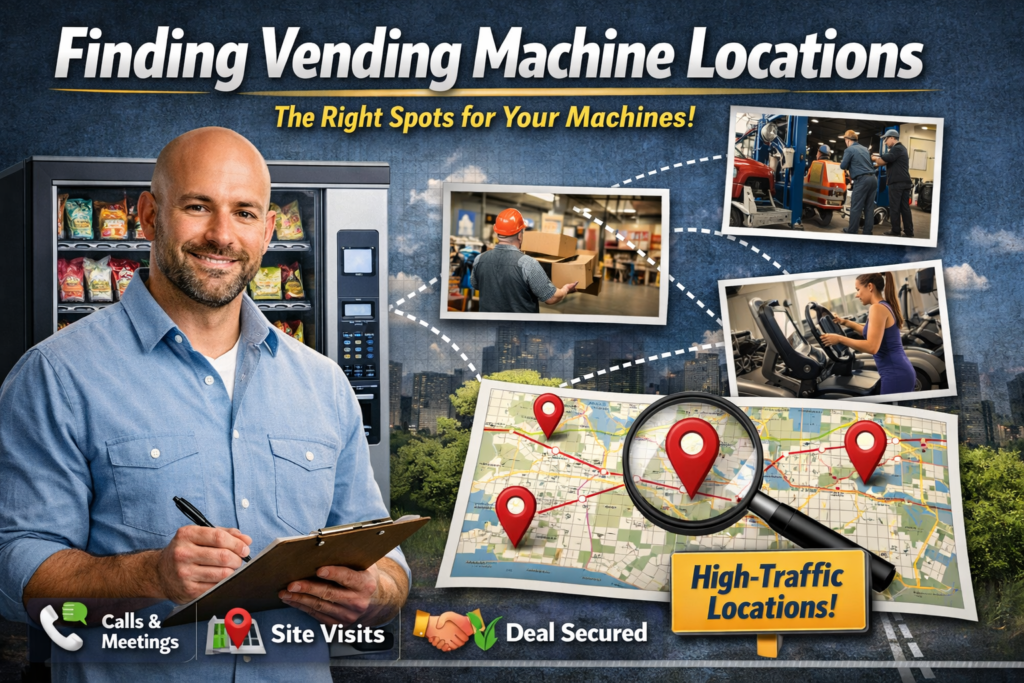
Choosing the right location is the foundation of a profitable vending machine business. A vending machine earns money only when people see it, need it, and can easily use it. The better the placement, the higher your daily sales and long-term return on investment.
A smart vending machine location increases visibility, improves customer convenience, and builds steady passive income. You can get more revenue by using digital vending machines to advertise different brands in different locations. Without proper research and planning, one may struggle to generate revenue, even with the best machine.
You can choose a vending machine location by connecting to the vending locators, who are experienced. It will be a good option for you.
Why Location Is Important in a Vending Machine Business
A successful vending machine business depends more on placement strategy than on the machine itself. Location directly affects sales volume, profit margin, and product turnover. High-traffic areas naturally create more buying opportunities.
Good vending machine placement also reduces marketing costs because customers come to you automatically. When the machine is placed in a busy and relevant environment, it works like a silent salesperson 24/7.
Foot Traffic
Foot traffic means the number of people who pass by your vending machine every day. The higher the daily visitor count, the greater the chances of impulse purchases. Busy locations with steady human movement often produce consistent monthly income.
Before installing a machine, observe the area at different times of the day. A location with 100–300 people daily can be significantly more profitable than a quiet space with only a few visitors.
Customer Demographics
Customer demographics refer to the type of people visiting the location, such as students, office workers, gym members, or travelers. Choose the right snack and beverage products by understanding your targeted market. Matching products with customer needs increases repeat purchases. People keep coming back to the vending machine.
For example, healthy vending products work better in gyms, while affordable snacks sell faster in schools. It is important to know customer satisfaction, which can boost vending machine profitability.
Visibility and Accessibility
A vending machine should be placed in a bright, open, and easy-to-reach area. Machines hidden behind walls or in dark corners usually have low performance. Clear visibility increases the sale of the products.
Accessibility also matters because customers prefer quick and effortless transactions. A well-positioned machine near entrances, waiting areas, or seating spaces performs better.
Best High-Traffic Places to Put a Vending Machine
Placing your vending machine in high-traffic commercial or residential areas improves daily sales and long-term stability. These locations already attract people who may need quick refreshments.
Shopping Malls and Retail Centers
A busy shopping mall provides constant foot traffic throughout the week. Families, teenagers, and shoppers spend hours walking, which increases snack and drink demand.
Retail centers offer multiple placement options such as entrances, cinema areas, or food courts. Strong visibility in these areas can significantly improve vending machine product sales performance. People want refreshments in these spots, so they are the best placement areas.
Hospitals and Medical Centers
A hospital ensures continuous traffic from patients, visitors, and healthcare staff 24/7. People waiting for appointments mostly buy some beverages or snacks for convenience. Emotional stress also increases demand for quick comfort items. It makes them pick all the time some refreshing items like snacks, drinks, and coffee.
Hospitals are ideal for snack vending machines, beverage machines, and healthy vending options. The steady daily flow creates reliable and consistent income.
Schools, Colleges, and Universities
Large campuses like a university host thousands of students daily. Students prefer affordable, quick, and accessible food options between class breaks. Energy drinks, chips, and bottled water are popular choices. Some want healthy snacks.
Educational institutions offer stable weekday traffic during academic sessions. However, always check local school policies and health regulations before installation.
Office Buildings
An office building creates predictable weekday sales because employees work long shifts. Workers often need coffee, snacks, or quick lunch alternatives. They don’t want to leave the building. This increases midday and afternoon purchases.
Corporate environments are excellent for coffee vending machines and combo machines. Consistent staff presence makes reliable daily revenue.
Apartment Complexes
A residential apartment complex provides repeat customers who value convenience. Residents may purchase snacks late at night or during weekends when stores are closed. This creates steady and recurring sales. Placing machines in lobbies or near shared facilities increases visibility. Residential vending offers long-term stability compared to seasonal locations.
Gyms and Fitness Centers
A busy gym attracts health-conscious customers who prefer quick hydration and protein snacks. Fitness members often purchase bottled water or energy drinks after workouts. Healthy vending products perform best in these environments.
Gyms provide consistent daily traffic, especially during morning and evening hours. Product selection should focus on low-calorie and fitness-friendly items.
Airports and Transport Hubs
A crowded airport offers extremely high passenger traffic. Travelers waiting for flights or experiencing delays frequently buy drinks and snacks. Long waiting times increase opportunities for vending machine sales.
Although competition and rental costs may be higher, sales volume can also be significantly greater. Strategic placement near gates or lounges improves visibility.
Factories and Industrial Facilities
A large factory has employees working fixed shifts who rely on vending machines during break times. Workers often need quick snacks and energy drinks to maintain productivity. They need refreshment items after working a lot. Industrial settings can generate stable long-term income.
Factories usually allow long-term contracts, which reduces relocation risk. Reliable daily attendance ensures consistent product demand.
Indoor vs Outdoor Vending Machine Placement
Choosing between indoor and outdoor placement affects maintenance costs, safety, and equipment lifespan.
Indoor Locations
Indoor locations protect from weather conditions like rain or extreme heat. They also reduce vandalism risk and offer better security monitoring. A stable electricity supply to the machine improves its performance.
Examples include offices, hospitals, and apartment buildings. Indoor vending is generally safer for beginners.
Outdoor Locations
Outdoor vending locations may attract large public crowds. However, they require weatherproof machines and advanced security features. Maintenance frequency may increase due to environmental exposure.
Examples include gas stations and public areas. Careful planning is required for outdoor vending success.
What Makes a Location Profitable?
Profitability depends on multiple business factors beyond traffic alone.
Product-Market Match
When you sell the right products to the right people, your sales increase. If you understand what customers like to buy, you can fill your vending machine with items they actually need. Choosing the right snacks and drinks helps you earn more profit.
Competition Analysis
Studying existing vending machines helps you identify pricing gaps or product weaknesses. Offering better quality, variety, or pricing creates a competitive advantage. Market research improves decision-making.
Power Supply and Maintenance Access
Every vending machine requires reliable electricity and easy access for restocking. Difficult maintenance reduces operational efficiency. Smooth servicing ensures continuous sales.
Safety and Security
Well-lit areas with CCTV cameras protect your investment. Security reduces damage, theft, and repair costs. A safe environment builds customer trust.
Final Thoughts
Where Is a Good Place to Put a Vending Machine? The answer is clear: the best place to put a vending machine is a high-traffic, visible, secure, and legally approved location where customer needs match your product offerings. The strategic placement of vending machines boosts sales, fortifies passive income, and creates long-term economic stability.
Success comes from research, observation, and strategic planning —notfrom luck. When location and customer demand align, your vending machine can generate steady monthly profit for years.
Frequently Asked Questions (FAQs)
Is It Legal to Put a Vending Machine Anywhere?
No, you cannot place a vending machine anywhere without the property owner’s permission, a written agreement, and any required local permits or licenses.
How Much Does It Cost to Put a Vending Machine at a Location?
The price to install a vending machine varies. You might negotiate a hybrid agreement, offer a percentage of sales (often 10–20%), or pay a monthly leasing cost (between $25 and $100+). When determining your profit margins, keep these expenses in mind.
Can vending machines work in small or low-traffic spaces?
They can, but their profitability can differ. Working with a managed vending provider is crucial because they will inform you up front whether your space is a suitable fit and suggest substitutes like smaller machines or particular product categories that operate well in slower zones.
Why is partnering with a managed vending service provider important for placement?
When you work with a managed vending company, you can be sure that your property will be professionally assessed and that the best site, product mix, and machine placement will be chosen. This leads to a simple setup, automated replenishment, and a hassle-free, consistent flow of passive revenue.